 新能源
新能源
新能源
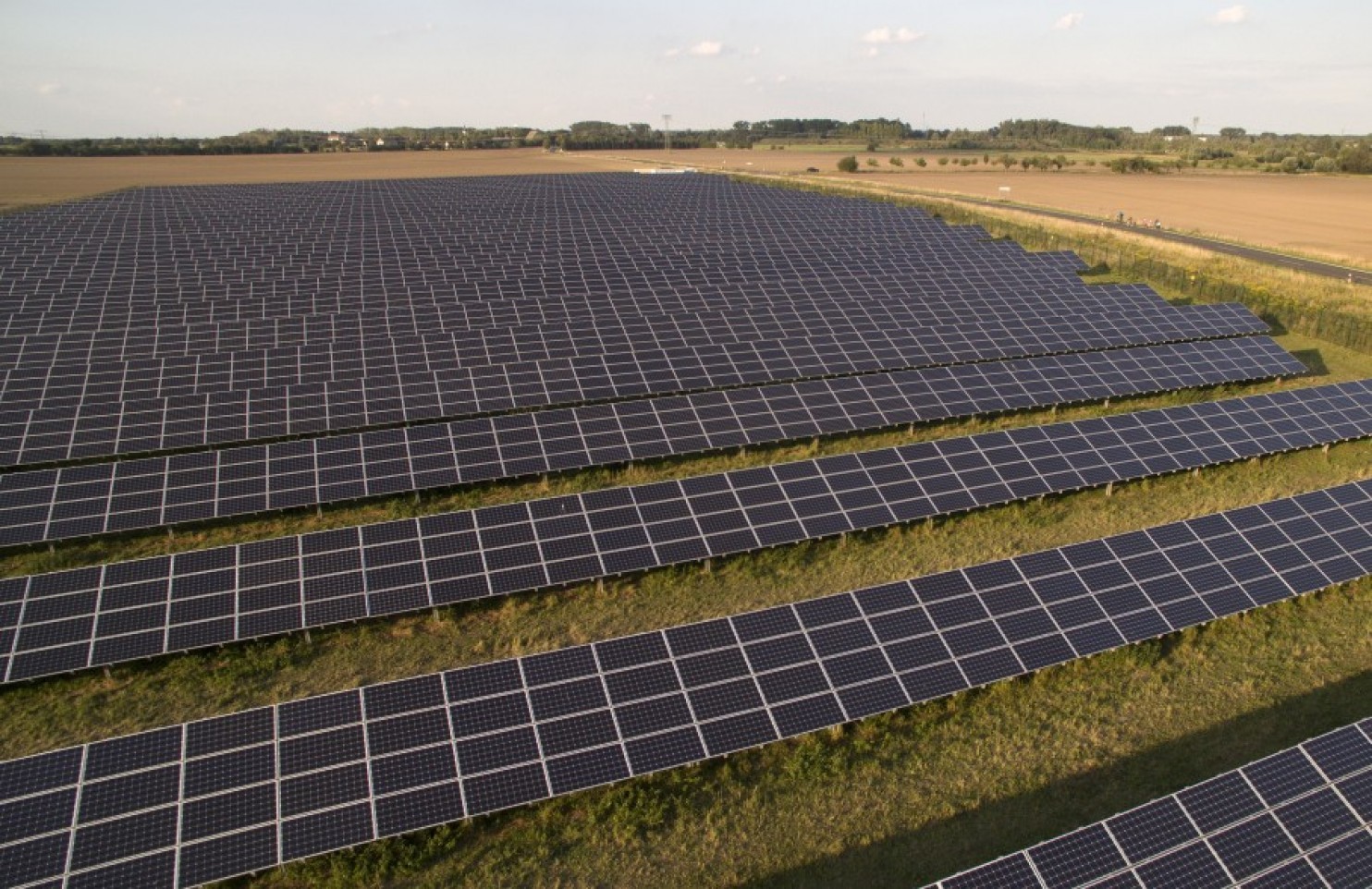
德國瑙恩附近上個月建成的太陽能板電場。德國制定了野心勃勃的可再生能源發電目標,根據弗勞恩霍費爾研究所發布的統計,太陽能、風能、水與生物質資源占德國2015年上半年國家總發電量的34%。(Photo by Sean Gallup/Getty Images)
美國專欄作家克里斯·穆尼(Chris Mooney)10月6日在《美國華盛頓郵報》上發表評論說[1],風電和太陽能發電越來越便宜。還有人說出現了“結構性”轉折。彭博社新能源財經(BNEF)的新分析暗示[2],我們不斷深入的世界,太陽能或風力發電有更大的經濟意義,而不是化石燃料。這是否意味著世界提前進入“太陽能”時代?
BNEF的報告檢查了2015年上半年全世界的“平準化電力成本”(LCOE)。它就是個旨在探索全面看待成本的“量度”,包括基建開支、利息和運行成本。按BNEF歐洲、中東和非洲分析主管賽博亨貝斯特(Seb Henbest)的說法,它就是一種“方法”,能夠“把技術放在公平競爭的環境,比較它的價值”。
這個報告的根據是全世界大約55000個項目的分析。而且發現從整體上看,目前陸上風電每千度電(MWh)的平均成本$83(比上半年便宜2美元),薄膜太陽能光伏每MWh的成本$122,僅在半年內就下降了7美元。
這就越來越好與化石燃料比較了——雖然仍然非常依賴于所處的位置。該報告發現,美國燃煤的電力成本平均$75 /MWh,歐洲$105/MWh。美國燃氣發電成本平均$82/MWh,歐洲$118/MWh。
不同區域成本的差異反映各種因素有很大變化,從開放市場上燃料成本自身到碳價格的各種設想。但“關鍵語”沒有搞錯。
亨貝斯特說,“在美國和全世界許多地方,陸上風電目前可與煤炭和天然氣燃料發電技術競爭”。太陽能通常價格仍然偏高,但也在快速下跌。
這個報告實際上發現英國和德國,風電目前大大低于化石燃料發電。兩個國家的風電平均成本分別是$85和$80/MWh,而煤炭和天然氣風電的平均成本超過$100/MWh。
相比之下,在中國,燃煤發電仍然極其便宜——只有$44/MWh。風電的成本是$77/MWh,而太陽能光伏為$109/MWh。
美國“處于”中國與英國和德國之間的某個值——風電平均成本約為$80/MWh,太陽能發電為$107/MWh。相反地,煤炭和天然氣燃料發電的平均成本是$65/MWh.
但是,模式正在改變。而且如亨貝斯特所說,一旦有更多可再生能源上網,就可能實際上有個“暗中破壞”化石燃料利用的過程。因為可再生能源裝置運行不需要任何燃料,沒有反復出現的燃料“成本”,是“良性”循環。所以,可再生能源的報價可低于上網供電成本,而且供電越多,意味著化石燃料電廠運行的機會越少……
亨貝斯特說,“你從可再生能源很昂貴的世界開始,走入一個可再生能源實際上很便宜的世界。這是非常有意義的。”
但是,某些可再生能源仍然很昂貴。海洋和潮汐發電二者的成本超過$400/MWh,但附設的近海風電則有更多希望大力擴張,最初為$174/MWh,暗示還有一段路要走。亨貝斯特說,“因為把這種技術延伸到海上,而且仍然處于早期階段,所以很昂貴。我們預期各項開支能降下來。”
BNEF指出,核電與煤炭和天然氣相似,在世界不同地區,LCOE不同。但在美國、歐洲,中東和非洲地區,核電的LCOE上升到$261-158/MWh。而且除中國外,投入運行的新機組很少。
當天,至少一個環保團體的負責人通報了彭博社新能源財經的分析。塞拉俱樂部(Sierra Club)[3]的執行理事邁克爾布倫(Michael Brune)在一聲明中說,“風能和太陽能等清潔能源解決方案變得更便宜和更容易獲得,意味著它們正在日益成為全美國電力公司和其他電力生產者最聰明的長期金融投資。”“向清潔能源經濟過渡正在全速前進,并把危險、骯臟的化石燃料推后到排尾。”
在清潔能源發展潮流中,核電成本“逆勢而動”,不是好新聞。即使中國核電的發展,目前也很“糾結”,看不出即將進入核能“新能源”時代的跡象,值得在“走出去”的道路上審視。當世界準備11-12月法國巴黎聯合國會議,尋求達成一項新的全球氣候協議時,既要給經濟發達國家“錦上添花”,更要給發展中國家“雪中送炭”。中國早就在以驚人的速度發展太陽能,已是全球最大的風能生產國[4],提供、建設風能和太陽能發電設施是中國人的“長項”。多給發展中國家提供這種幫助或援助,更簡單、安全、實在,更得人心。
參考資料與注釋:
1. Chris Mooney,Wind and solar keep getting cheaper and cheaper,WaPo,October 6 2015
2. Ethan Zindler,WIND AND SOLAR BOOST COST-COMPETITIVENESS VERSUS FOSSIL FUELS,Bloomberg New Energy Finance,6 OCTOBER 2015
3. 塞拉俱樂部是美國的一個環保組織,著名的環保主義者約翰·繆爾(John Muir)于1892年5月28日在加利福尼亞州舊金山創辦了該組織,并成為其首任會長。塞拉俱樂部擁有百萬會員,分會遍布美國,且與加拿大塞拉俱樂部(Sierra Club Canada)有緊密的聯系。
4. 電纜網,外媒:中國成全球可再生能源最大投資者,2015-10-14。
附:BNEF研究報告發布新聞稿(原文)
London and New York, 6 October 2015 – This year has brought a significant shift in the generating cost comparison between renewable energy and fossil fuels, according to detailed analysis by technology and region, published this week by Bloomberg New Energy Finance.
The research company's Levelised Cost of Electricity Update for the second half of 2015, based on thousands of data points related to individual deals and projects around the world, shows that onshore wind and crystalline silicon photovoltaics – the two most widespread renewable technologies – have both reduced costs this year, while costs have gone up for gas-fired and coal-fired generation.
The BNEF study shows that the global average levelised cost of electricity, or LCOE, for onshore wind nudged downwards from $85 per megawatt-hour in the first half of the year, to $83 in H2, while that for crystalline silicon PV solar fell from $129 to $122.
In the same period, the LCOE for coal-fired generation increased from $66 per MWh to $75 in the Americas, from $68 to $73 in Asia-Pacific, and from $82 to $105 in Europe. The LCOE for combined-cycle gas turbine generation rose from $76 to $82 in the Americas, from $85 to $93 in Asia-Pacific and from $103 to $118 in EMEA.
Seb Henbest, head of Europe, Middle East and Africa at Bloomberg New Energy Finance, commented: "Our report shows wind and solar power continuing to get cheaper in 2015, helped by cheaper technology but also by lower finance costs. Meanwhile, coal and gas have got more expensive on the back of lower utilisation rates, and in Europe, higher carbon price assumptions following passage of the Market Stability Reserve reform."
Levelised costs take into account not just the cost of generating a marginal MWh of electricity, but also the upfront capital and development expense, the cost of equity and debt finance, and operating and maintenance fees.
Among other low-carbon energy technologies, offshore wind reduced its global average LCOE from $176 per MWh, to $174, but still remains significantly more expensive than wind, solar PV, coal or gas, while biomass incineration saw its levelised cost stay steady at $134 per MWh. Nuclear, like coal and gas, has very different LCOE levels from one region of the world to another, but both the Americas and the Europe, Middle East and Africa region saw increases in levelised costs, to $261 and $158 per MWh respectively.
Among the country-level findings of the BNEF study are that onshore wind is now fully cost-competitive with both gas-fired and coal-fired generation, once carbon costs are taken into account, in the UK and Germany. In the UK, onshore wind comes in on average at $85 per MWh in the second half of 2015, compared to $115 for combined-cycle gas and $115 for coal-fired power; in Germany, onshore wind is at $80, compared to $118 for gas and $106 for coal.
In China, onshore wind is cheaper than gas-fired power, at $77 per MWh versus $113, but it is much more expensive still than coal-generated electricity, at $44, while solar PV power is at $109. In the US, coal and gas are still cheaper, at $65 per MWh, against onshore wind at $80 and PV at $107.
Luke Mills, analyst, energy economics at Bloomberg New Energy Finance, said: "Generating costs continue to vary greatly from region to region, reflecting influences such as the shale gas boom in the US, changing utilisation rates in areas of high renewables penetration, the shortage of local gas production in East Asia, carbon prices in Europe, differing regulations on nuclear power across the world, and contrasting resources for solar generation.
"But onshore wind and solar PV are both now much more competitive against the established generation technologies than would have seemed possible only five or 10 years ago."
責任編輯: 李穎
 京公網安備 11010802020613號
